Lead Line Replacement in New York and Who Covers the Cost
Replacing a lead service line can improve the water connection between a home and the public main, but homeowners often don’t know who pays. In New York, state grants go to municipalities, not directly to residents. The cost a household might face depends on the local project, how the line is divided, and whether the municipality or utility offers assistance.
How New York’s lead line replacement funding works
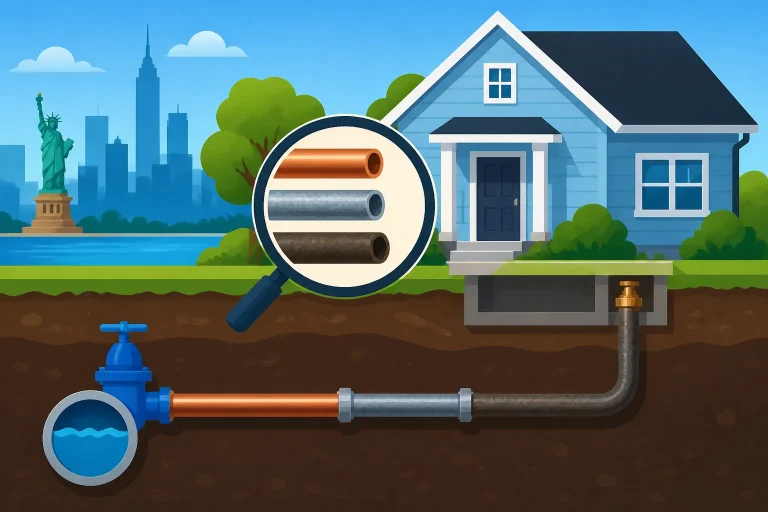
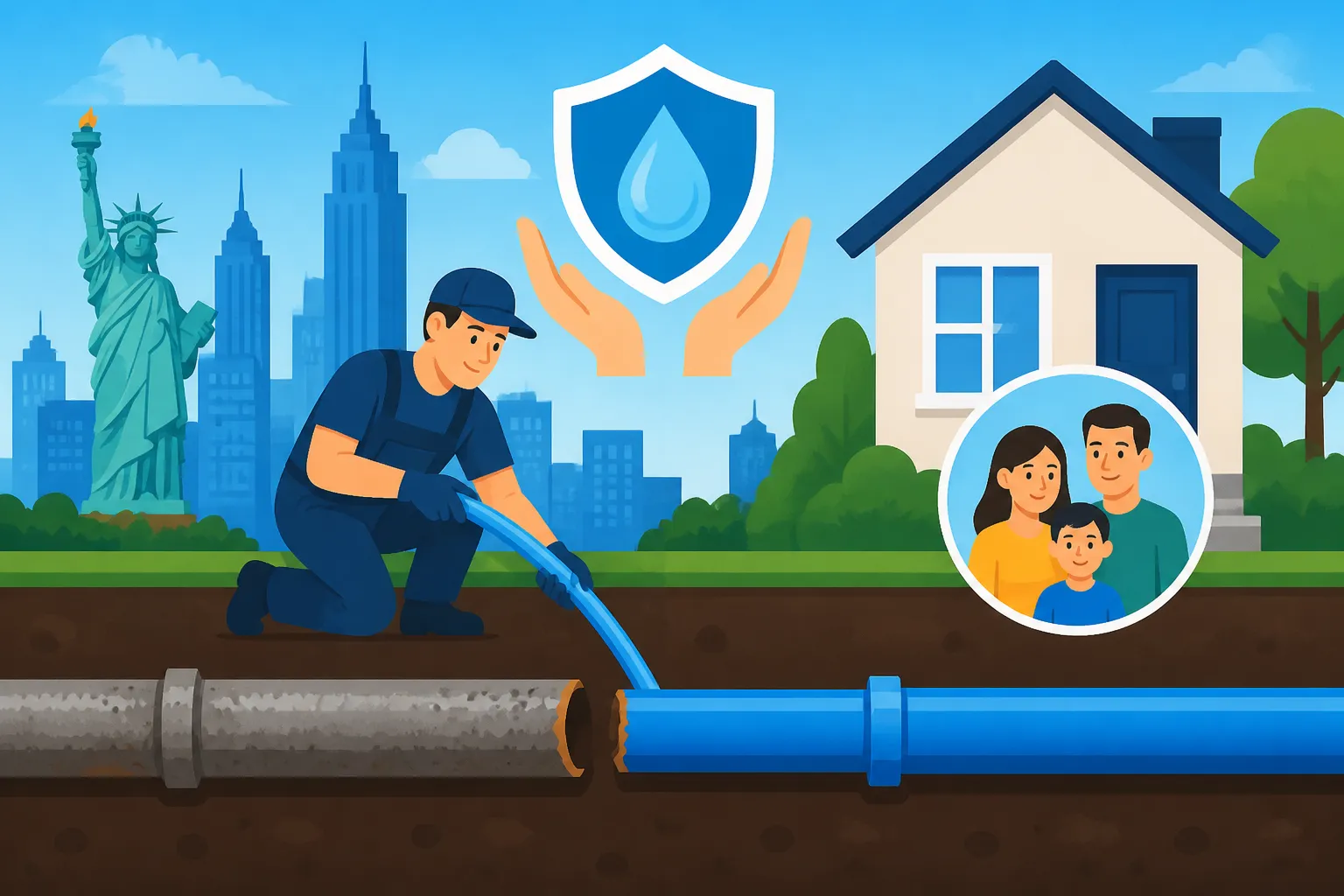
New York State provides grant funds to some municipalities to replace lead water service lines through the Lead Service Line Replacement Program. The program is intended to address the line connecting the public water main to a residence, rather than just a short section near the building.
The New York State Department of Health says program funds are intended to replace the entire length of residential lead service lines, from the municipal water main to the residence. That describes the program’s purpose, but it does not by itself tell a particular homeowner whether a local project will cover every part of their line or whether they will receive a bill. The municipality or water utility managing the project can explain the local terms.
The key point for budgeting is that the state funding is awarded to municipalities, not directly to homeowners. A resident generally needs to start with the municipality or water utility to find out whether their address is included, what work the project covers, and whether the household may owe anything.
According to the New York State Department of Health, the Clean Water Infrastructure Act of 2017 amended Public Health Law to require the New York State Department of Health to implement a Lead Service Line Replacement Program. The state also identifies the Drinking Water State Revolving Fund and Water Infrastructure Improvement Act as possible sources of additional municipal financial assistance for lead line work.
Those funding sources are not the same as a household grant. A municipality may seek additional state financing, but the availability of that financing and the way a local project handles costs are matters to confirm with the local project administrator. For an overview of how the state program fits into municipal work, see How Municipal Lead Pipe Projects Run Under New York’s State Program.
| Question | What the state-level information establishes | What to confirm locally |
|---|---|---|
| Who receives Lead Service Line Replacement Program grants? | Grants go to municipalities, not directly to homeowners. | Whether the municipality has a project that includes your address. |
| What is the program intended to replace? | The entire residential line from the municipal water main to the residence. | Which sections the local project will replace and whether work is complete at your property. |
| Does a grant guarantee that a homeowner pays nothing? | No household cost guarantee is established by the state-level program description. | Whether the municipality or utility covers privately owned portions or offers assistance. |
| Can a municipality seek other funding? | The state identifies the Drinking Water State Revolving Fund and Water Infrastructure Improvement Act as possible additional sources. | Whether the municipality has sought or received funding and how it affects the project. |
A helpful starting point is the distinction between program purpose and local payment terms. A project may be designed to replace the full service line while still having local rules about access, restoration, or privately owned portions. Ask the project administrator to explain those details before approving work or assuming a cost will be covered.
For a closer look at the funding structure, New York Lead Line Grants Go to Municipalities, Not Homeowners explains why a state grant should not be treated as a direct payment to a resident.
Who may have to pay for the work
There is no single statewide answer in the available program information to whether a homeowner will be charged. New York’s state guidance says remaining costs depend on the local project: municipalities may seek additional state financing, while homeowners could be responsible for privately owned portions if their municipality or utility does not cover them.
That makes the local project’s written terms important. A street may be part of a municipal replacement effort, but the project administrator still needs to say whether the work at a particular property is included and how it treats the portion on private property. Do not assume that the state grant covers every expense, and do not assume that a homeowner automatically pays for all work on the private side.
The words “public side” and “private side” are often used to describe parts of a service line, but the location of the division and responsibility for the work can depend on the local arrangement. Ask the municipality or utility where it considers the division to be and whether that boundary affects the project’s coverage. If a contractor, landlord, seller, or utility gives you a different explanation, ask for the project documents or written confirmation so you can compare what each party means.
A useful way to assess a possible bill is to separate the work into categories:
- Line replacement: Which part of the service line will be removed and replaced?
- Property access: Will crews need to enter the home, yard, or another part of the property?
- Surface restoration: How will disturbed areas, such as landscaping or paving, be handled?
- Extra work: Could the project identify plumbing or site conditions that are outside the stated replacement scope?
- Assistance: Does the municipality or water utility offer direct assistance if the homeowner would otherwise owe a cost?
These are questions, not a prediction that any particular charge will apply. The local project should clarify which costs are included, which might be excluded, and how the household would be notified before work proceeds. If a cost is proposed, ask for an itemized explanation and the written policy or project term behind it.
The New York State Department of Health advises homeowners to ask their municipality or water utility whether it offers direct assistance. That is especially important because the state grants go to municipalities rather than directly to homeowners. A resident should not rely on a general statement about a state grant as proof that their own portion is covered.
The private portion is a common source of confusion. The Private Side of a Lead Pipe: Bills a New York Owner May Still Face focuses on that issue. For general guidance on how a local project may be organized, see How Municipal Lead Pipe Projects Run Under New York’s State Program.
Confirm whether your line is lead before planning costs
Before discussing a replacement bill, establish what is known about the service line at your address. A line may be recorded as lead, another material, or unknown. A household may also have lead-containing plumbing inside the building even if the service line itself is not lead. These are different questions, and a service-line record does not necessarily describe every pipe or fixture that water passes through.
Start by checking the records or inventory maintained by the municipality or water utility. Ask how the material was identified and whether the record applies to the full line or only a portion. If the record is unknown or incomplete, ask what steps the utility uses to verify it and whether residents can submit information or arrange an inspection. How to Look Up Your Home’s Service Line Material in New York covers ways to check a service-line record.
A water test and a service-line check answer different questions. A test can show whether lead was present in the particular sample collected, under the conditions of that sampling. It does not identify the material of the pipe or establish that the result represents every tap or every future use. A service-line check helps identify pipe material but does not measure lead in the water at a particular faucet. For a comparison of these approaches, see Lead Test or Service Line Check? What Each One Tells a New York Owner.
If a line is listed as unknown, ask the utility what it needs to change that classification and whether the replacement program can proceed while the material remains uncertain. You can also ask what interim steps it recommends while the status is being checked. A Letter Says Your Service Line Is Unknown: What It Means in New York explains what an unknown classification can mean.
For a home purchase, request the service-line record and any previous test or replacement documentation rather than relying only on a verbal assurance. For a rental, ask the landlord and the water utility who holds the relevant records and what is known about the building’s plumbing. A property owner may need to coordinate with the utility, but the utility can explain its own records and project process.
If testing is being considered, ask the utility or a qualified laboratory what kind of sample is appropriate for the concern. A single result should not be treated as a substitute for confirming pipe materials or understanding the replacement project. The broader background in Lead Pipes Between the Main and Your Home: A New York Guide can help distinguish the service line from plumbing inside the home.
Questions to ask before agreeing to replacement work
Once the municipality or utility confirms that a project may include your property, ask for the scope and cost terms in writing. The goal is to understand what will happen at the property and avoid relying on an informal summary that leaves out the private portion or restoration.
Consider asking:
- Is the service line at my address confirmed to contain lead, or is any part still unknown?
- Is my address included in an active or planned replacement project?
- Does the project intend to replace the entire residential service line from the public main to the residence?
- Which parts of the line are included in the local project scope?
- Does the municipality or utility cover privately owned portions?
- Could I be charged for any part of the work, and how would that amount be determined?
- Does the project cover restoration of the yard, walkway, driveway, or interior areas affected by the work?
- Will I receive a written notice and a written estimate or cost explanation before work begins?
- Is there direct assistance for a homeowner who may be responsible for a privately owned portion?
- Has the municipality sought additional financing through the Drinking Water State Revolving Fund or Water Infrastructure Improvement Act?
- Who should I contact if the work uncovers additional plumbing or site conditions?
The state’s funding information does not settle the answers to these property-specific questions. The municipality or water utility is the practical source for local project boundaries, participation rules, scheduling, and any household charges. If the response is unclear, ask which office or project contact can provide the written terms.
For a homeowner, it can be useful to keep copies of notices, estimates, agreements, inspection notes, and completion records. Those documents can help clarify what was replaced and which party handled each part. If the property changes hands, replacement records may also help a future owner understand the line’s status. Records, Inspections, Excavation: How a Lead Pipe Gets Identified describes the kinds of records and field work that can be involved in identifying a service line.
If you rent, contact the landlord or building manager as well as the utility when appropriate. The landlord can address access and building plumbing, while the utility can answer questions about its service-line records and the municipal project. For lead concerns in a rental, What a New York Renter Should Ask the Landlord About Lead Plumbing offers related questions.
If the utility confirms lead in the line but replacement is not immediate, ask what precautions it recommends while you wait and whether it has information specific to your service area. A replacement program’s schedule and local instructions matter; avoid substituting general advice for directions from the utility or local health authorities. For questions about drinking-water safety or health effects, contact the local health department or a medical professional.
What to expect from the funding conversation
A municipality’s funding plan and a homeowner’s bill are related, but they are not identical. The municipality receives a grant or seeks financing for a project. The local project then determines the scope, how work is administered, and whether costs remain for a particular property owner. A grant can support replacement work without establishing that every household expense is covered.
The New York State Department of Health identifies the Drinking Water State Revolving Fund and Water Infrastructure Improvement Act as possible additional funding sources for municipalities. Homeowners can ask whether either source is part of the local funding plan, but the more immediate question is how the funding affects the work at their address. Ask the municipality to explain whether assistance covers the privately owned portion and whether any homeowner contribution is expected.
If the municipality says a homeowner could be responsible for a private section, ask whether there is a direct-assistance option, a payment arrangement, or a separate local policy. The state’s guidance specifically points residents to their municipality or water utility to find out whether direct assistance is offered. Do not assume such help exists, but do ask before hiring a contractor or agreeing to pay for work that may overlap with a public project.
If the line is not included in a current project, ask whether the municipality expects to pursue funding or expand replacement work, and whether it maintains a process for residents to express interest. The answer may differ from one local project to another. Request the official project information rather than assuming that a statewide program has the same schedule or coverage everywhere.
It is also worth clarifying who will do the work. A municipality or utility can explain whether its project contractor handles the full service line or whether the homeowner would need to arrange work on a private portion. If separate contractors are involved, ask how the work will be coordinated and who is responsible for restoring disturbed areas. These details can affect the total disruption and potential expense even when the replacement itself is funded.
If you receive a proposed charge, take time to understand its basis. Ask for the portion of the line involved, the labor or materials included, the restoration terms, and whether the amount could change if conditions differ from expectations. If you believe the charge conflicts with what you were told about the project, send the question to the municipality or utility in writing and request a written response.
Homeowners should also distinguish replacement from other plumbing work. A service-line project may not automatically replace interior pipes, fixtures, or other plumbing components. Ask the project manager where the work stops and whether any other work is recommended separately. Do not assume a service-line replacement resolves every possible source of lead in a building’s plumbing.
For context on water testing and plumbing-related lead, the related article Lead in New York Drinking Water: Sources, Testing and What to Do explains why a line record, a water sample, and building plumbing information serve different purposes.
Frequently Asked Questions
Does New York’s lead line grant go directly to homeowners?
No. According to the New York State Department of Health, Lead Service Line Replacement Program grants go to municipalities, not directly to homeowners. Ask the municipality or water utility whether it offers direct assistance.
Does the state program intend to replace the full service line?
The New York State Department of Health says program funds are intended to replace the entire length of residential lead service lines, from the municipal water main to the residence. Confirm the scope of the project serving your address, including how it handles privately owned portions.
Will a homeowner have to pay for the private side?
It depends on the local project. The state says homeowners could be responsible for privately owned portions if their municipality or utility does not cover them. Request the local cost policy in writing.
What other funding might help a municipality?
The New York State Department of Health identifies the Drinking Water State Revolving Fund and Water Infrastructure Improvement Act as possible additional municipal funding sources. Ask whether the municipality is using or seeking them and how that affects your property’s costs.
Sources
- New York State Department of Health — Lead in Drinking Water (checked November 13, 2026)
- New York State Department of Health — Lead Service Line Replacement Program (LSLRP) (checked November 13, 2026)
Disclaimer
This article is for general informational purposes only and does not constitute professional advice. Laws, prices and regulations vary by location and change over time. Consult a qualified professional for guidance on your specific situation. New York Water Guide is not a government agency or water utility and is not affiliated with any public water system.